
The Best Sombrero in the World
Among aficionados of haute couture headwear, a legendary name stands out, synonymous with excellence and artisanal majesty: the Montecristi Golden or Montecristi fine 60 point. Known as the pinnacle of Toquilla Hats quality, these Montecristi hats are often mistakenly called Panama Hats. Yet, they are much more than just headwear; they are a testament to an art form perfected over generations.
The “60 point” isn’t just a number—it’s a promise of unparalleled delicacy in craftsmanship, with higher numbers boasting a weave that’s both denser and more sophisticated. The Montecristi Golden stands at the zenith of the artistry of the Sombrero de Paja Toquilla, offering not merely a sumptuous accessory but rather a wearable masterpiece that speaks volumes of a rich heritage and unmatched skill.

4 generations of Quito trendsetters
Imagine Quito once upon a time, bustling as the unofficial Hat capital of the world. Here, the famed “Montecristis” or “Sombrero de Paja Toquilla” were the beacons of fashion, especially for families that came from the coast. But as the tides of style turned, the revered hat found itself edged out from wardrobes, leaving many artisans in the dark, their craft’s future uncertain.
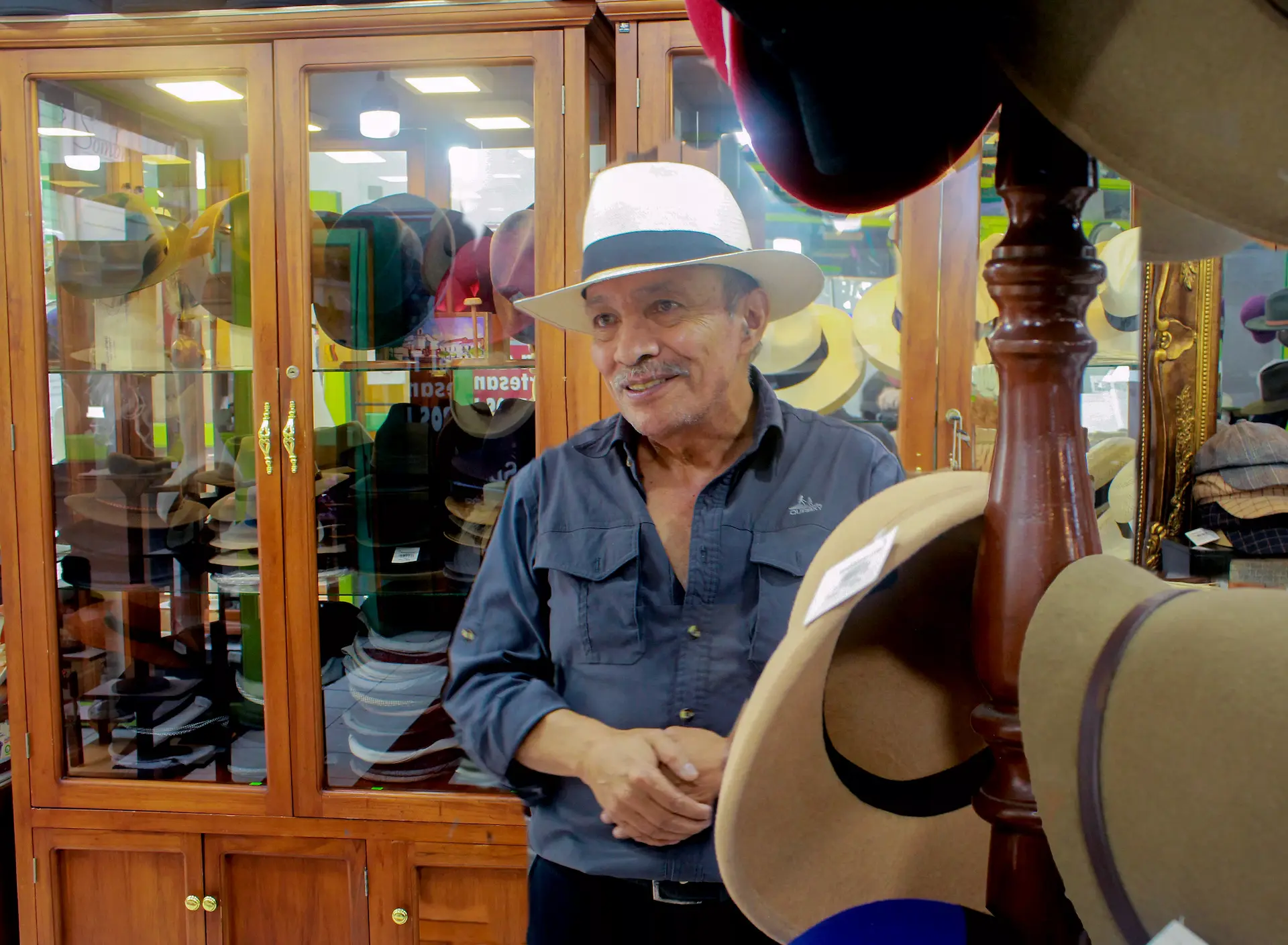
Thankfully, at least one business survived from that golden era of hat making. Sombreros López. In fact, this family-owned emporium of hat-making didn’t just survive the ebb, they thrived! They´ve continued the legacy by blending innovative design with the tradition of fine hat-making. Within the walls of Sombreros Lopez, every hat is a story, from the seafarer’s beret to the newsboy, to the rugged cowboy’s felt sombrero.
They´ve also innovated with the Toquilla fibers, making hats in a wide variety of styles some would call “eclectic”. Toquilla berets and even women pillbox hats are some of the experiments they´ve conducted, much to the surprise of experts.
At Sombreros López, the traditional Montecristi hat finds its kin among an array of illustrious companions, leading a sort of renaissance in hat-wear that has locals and foreign travelers charmed to no end.
History comes alive
Quito’s historic center, often described as a living museum or a city-shaped time capsule, offers visitors a unique opportunity to step back in time and immerse themselves in the rich tapestry of its past. This area, recognized for its well-preserved Spanish colonial architecture, is not only the largest historic center in South America but also a UNESCO World Heritage Site, underscoring its global significance and the need to preserve its cultural heritage.
The charm of Quito’s historic center lies in its ability to maintain its historical integrity while still pulsating with the life of a modern city. Streets lined with centuries-old buildings, churches, and plazas tell stories of a bygone era, fostering a sense of connection to those who walked them in the past.
Located at the very edge of the historic San Roque neighborhood, Sombreros López allows visitors to experience the continuation of traditions that have been passed down through generations. Not the least of which is how to care for a real Montecristi.
Montecristi Hats: Taking care of a piece of art
Montecristi hats are prized for their delicate weave, light weight, and elegance, making them not only a fashion statement but also a valuable accessory.
Here are some expert guidelines on how to properly care for your Montecristi hat:
Handling
Use Carefully: Always handle your Montecristi hat by the brim rather than the crown. Picking it up by the crown can cause the straw to crack or break over time due to the pressure.
Proper Storage: Store your hat in a cool, dry place away from direct sunlight, which can bleach the straw and weaken its fibers. A hat box is ideal for preventing dust accumulation and maintaining its shape.
Cleaning
Dust Regularly: Use a soft-bristled brush or a clean, dry cloth to gently remove dust from the surface. Brush in the direction of the straw weave to avoid snagging.
Spot Cleaning: For minor stains, lightly dab with a damp (not wet) cloth using plain water. Avoid rubbing as this can damage the straw. For more stubborn stains, consult a professional cleaner specializing in straw hats.
Maintenance
Moisture Control: If your Montecristi hat gets wet, allow it to dry naturally away from artificial heat sources. Use a clean, dry towel to gently blot excess water, then reshape the brim and crown as needed before leaving it to air dry.
Avoid Folding: While some Montecristi hats are marketed as foldable or rollable for travel, frequent folding can damage the hat’s shape and integrity over time. If you must fold it, do so sparingly and follow the manufacturer’s instructions carefully.
Periodic Care
Reshaping: If your hat loses its shape, you can gently steam it over boiling water (without allowing it to get wet) and use your hands to carefully mold it back into shape. Allow it to cool and dry completely before wearing.
Professional Cleaning and Repairs: For deep cleaning or repairs, seek out a professional who specializes in straw hats. They have the knowledge and tools to handle the delicate material without causing damage.
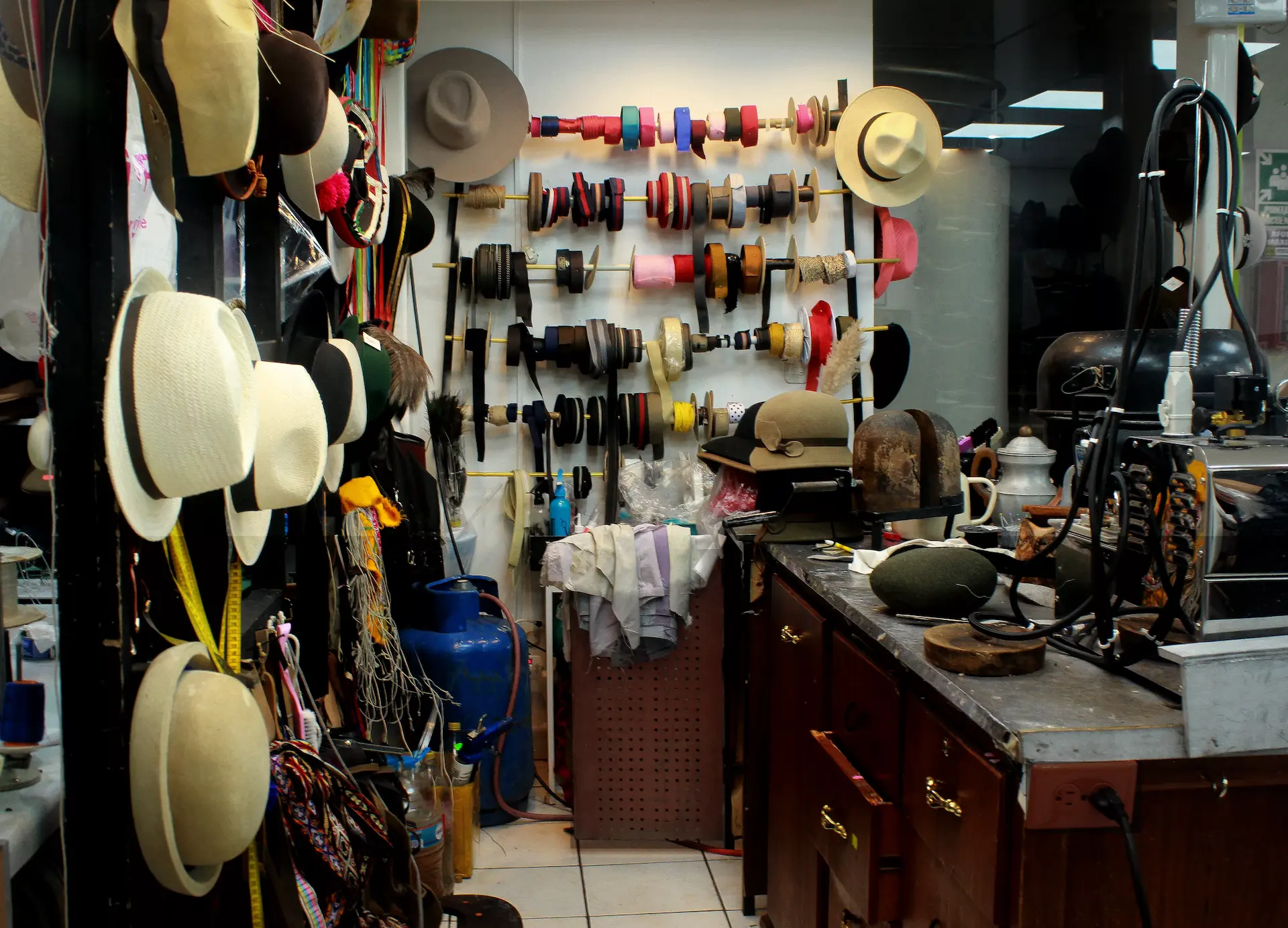
By following these care tips, you can maintain the elegance and structural integrity of your Montecristi hat for years to come, ensuring it remains a cherished part of your wardrobe. Remember, a Montecristi hat is not just an accessory but a work of art that requires and deserves meticulous care.
While other hat brands such as Stetson, Borsalino, New Era, and Goorin Bros. are also highly regarded for their quality and design, the Montecristi hat stands apart for its exceptional craftsmanship and the rich history it embodies. It’s a testament to the skill of its artisans and a symbol of luxury in the world of hats.