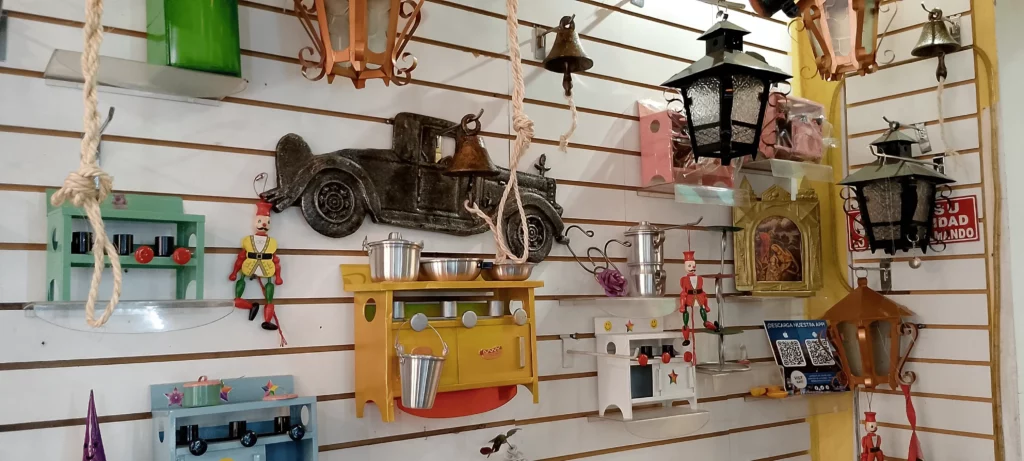
What if a simple sheet of tin could tell a story? In the heart of Quito’s Historic Center, where historic buildings blend with modern city life, Hojalatería Silva, a family workshop, is keeping a tradition alive. Here, ordinary sheets of tin are carefully transformed into tiny kitchens, delicate lanterns, and nostalgic toys. But these aren’t just miniature objects; each one captures the skill and care that go into this remarkable craft, preserving a small but meaningful part of Quito’s history.
What Is Tinsmithing, and Why Is It Almost Extinct?
Handmade things not only reflect effort and time; they also carry the culture and traditions that are kept alive through generations. Tinsmithing is a perfect example of this. Unlike mass-produced items that are made quickly, each piece is carefully handcrafted. Artisans cut, fold, shape, and assemble the tin with simple tools such as scissors, hammers, and pliers, rather than relying on industrial molds or machines. This makes each item unique, as every detail reflects the artisan’s patience, talent, and dedication.
Although this craft was once common, the rise of plastic changed the way many everyday household items were made. Traditional objects such as rain gutters, pots, and agricultural tools gradually changed from tin to plastic, making tinsmithing increasingly rare. This is why this family workshop is more than just a place that sells useful and necessary items; it is also a place where the tradition of hand-working with tin endures. Its existence not only shows how rare this craft has become, but also the dedication and effort required to keep handmade craftsmanship alive in a world increasingly dominated by machines and mass production
Three Generations, One Tradition
But where and when did all this start? Everything began in the 1960s, when Julio César Silva opened his workshop to make rain gutters and farming tools. Later, his son, Humberto Silva, reinvented the business by creating decorative pieces and home miniatures, saving the craft from disappearing.
More than 60 years later, Martha is now the guardian of this craft, which has become rare in the city. As the heir to her family’s knowledge, she keeps the tradition alive by creating tiny stoves, refrigerators, pots, lanterns, and many other utensils using only her skilled hands and the knowledge passed down from her father. Without industrial molds or mass production, each piece preserves a family legacy that lives on through Martha’s hands. For her, “every piece that leaves this workshop is more than a decorative object. It is a reminder that Quito has a rich legacy of local craftsmanship, and that we are not letting it disappear.”
Inside the Workshop: How Each Piece Comes to Life
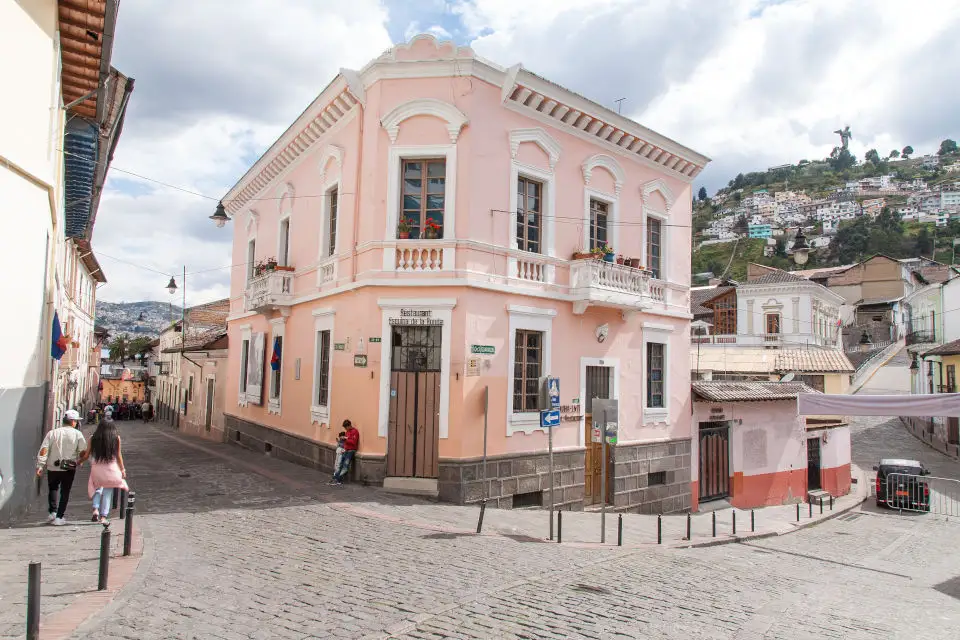
In addition to learning about this historic craft, thanks to its location in La Ronda, you can dive into the colorful, bohemian atmosphere of this traditional neighborhood in Quito when you visit Hojalatería Silva. Its colorful facades, traditional architecture, craft shops, and lively atmosphere offer a glimpse of the city’s past that still lives on today. Surrounded by this historic atmosphere, the workshop—where three generations of the Silva family have kept a centuries-old trade alive for over 75 years by hand-hammering tin sheets into functional miniature kitchens, intricate lanterns, vintage toys, among other impressive creations—becomes another part of the neighborhood’s living heritage, where you can see hands carefully shaping tin and take a closer look at the close-up details of each handmade object, highlighting the unique value of artisanal craftsmanship over factory mass production. This setting perfectly complements the tinsmithing tradition, as both the neighborhood and the craft preserve a part of Quito’s identity, where history is not just something to look at, but something that stays alive through traditions and handmade work.
A Legacy That Lives On
At first sight, a small kitchen or tin lantern may seem like a curious souvenir. But behind each piece there is a story of family, patience, and a tradition that refused to vanish. Hojalatería Silva reminds us that preserving culture doesn’t always mean protecting something great or famous; it can also mean keeping a few hands working, passing on a craft, and ensuring that a story continues to be passed from generation to generation. In a city that is constantly changing, this small workshop in La Ronda offers something difficult to find: the opportunity to see history come to life through the hands of an artisan. And exploring Quito also means discovering these artisan traditions, valuing those who keep them alive, and contributing, with our curiosity and visit, so that they do not disappear.
But Hojalatería Silva is only one of the many stories waiting to be discovered in Quito’s Historic Center. If this glimpse into the workshop piqued your curiosity, we invite you to step back in time and wander through the amazing streets of La Ronda to see Hojalatería Silva in person. So, keep exploring the Historic Center; you never know what living tradition might be waiting behind the next door you open.